
Buying a brownstone is a major investment. We help you navigate inspections, renovation considerations, and market value so you can buy with confidence.
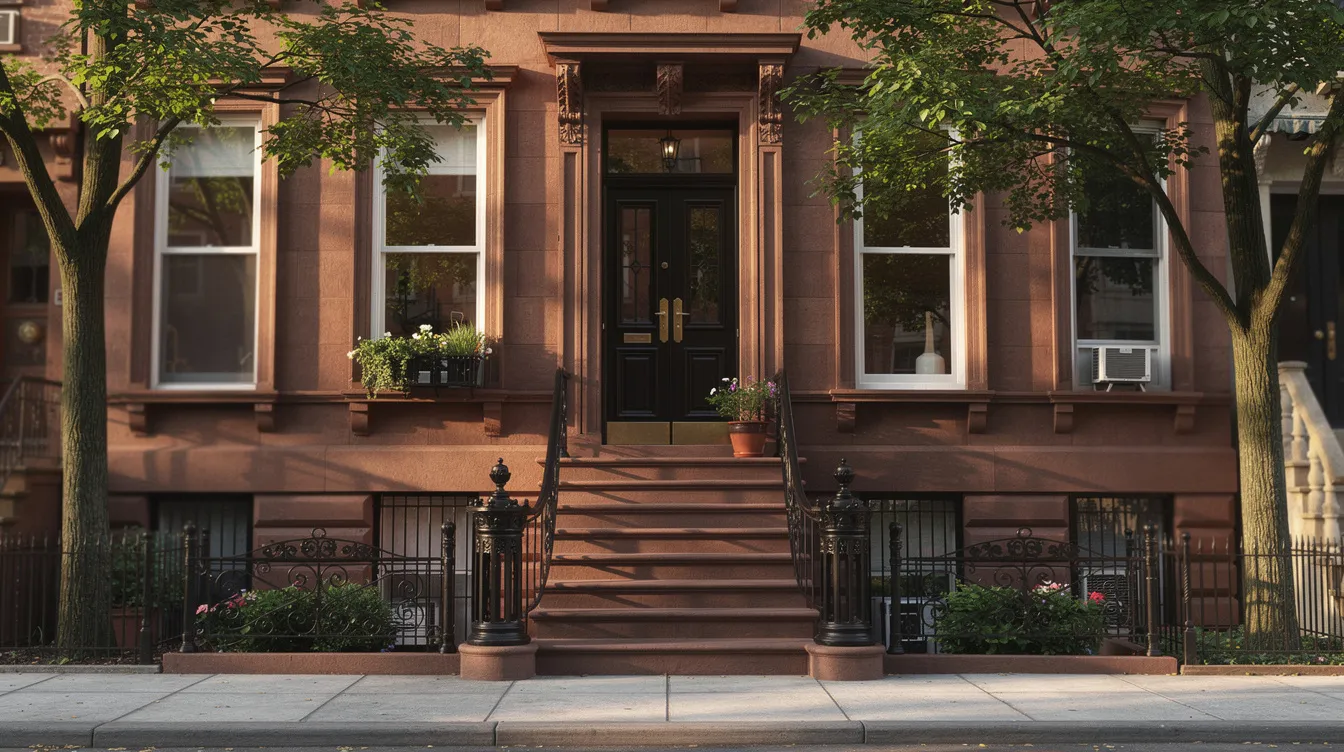
Smooth transaction with limited risk
No pressure to over pay and buy within a certain time period
A team of people that will be with you even after the transaction is complete
Buying a brownstone in New York City is unlike buying any other type of property. Whether you're searching for a historic Harlem townhouse, a multi-family investment in Bedford-Stuyvesant, or a beautifully restored home on the Upper West Side, every brownstone comes with its own opportunities and challenges.
As a real estate professional specializing in NYC brownstones, I've helped buyers evaluate properties across Manhattan and Brooklyn. This guide brings together the questions I hear most often, along with the practical advice every buyer should know before making an offer.
Brownstone prices vary significantly depending on the neighborhood, the property's condition, and whether it's configured as a single-family or multi-family home. Well-maintained homes in prime Manhattan neighborhoods often sell for several million dollars, while renovation opportunities in emerging areas can offer a more accessible entry point.
Down payment expectations vary by unit count. For one- to three-family owner-occupied properties, plan for 20–30% down. For four-plus units or investment deals, down payments for multi-family brownstones can exceed 40%.
Can I realistically buy a NYC brownstone right now?
If you only remember three things:
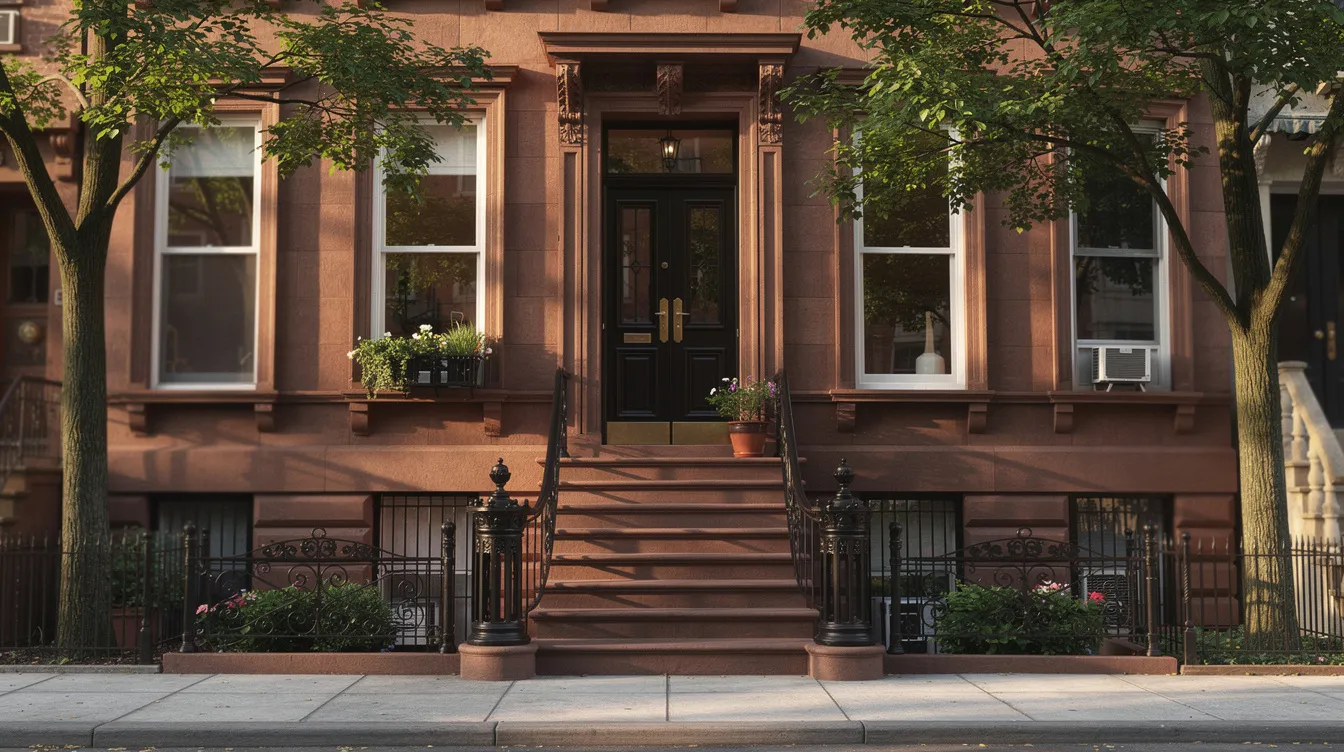
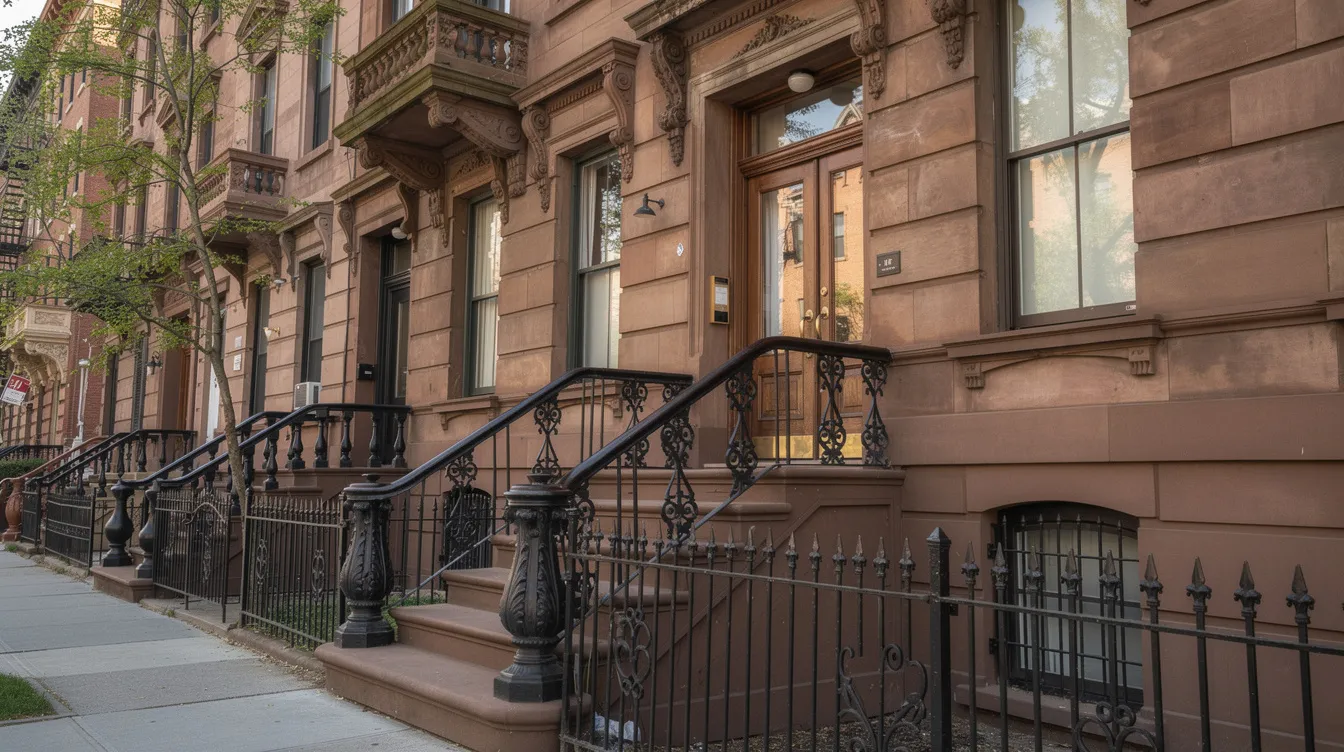
A brownstone in New York City is a rowhouse or townhouse built primarily in the late 19th century, faced in brown sandstone, typically standing 3–5 stories with a raised stoop, parlor floor, and high ceilings. Many brownstones feature original woodwork and decorative fireplaces, crown moldings, plaster medallions, and pocket doors. Each brownstone tells a unique story and is one-of-a-kind. Historic charm in brownstones attracts buyers but can present challenges for renovation and maintenance.
Architectural character varies by neighborhood.Harlem brownstones tend toward grander footprints with expansive stoops. Upper West Side properties are often narrower, 16–20 feet wide, with formal parlor rooms. Park Slope and Brooklyn Heights showcase beautifully preserved facades with garden levels. Bed-Stuy and Crown Heights offer deeper lots, sometimes 40–55 feet, with unique architectural details that add character.
What a brownstone isn't: brokers sometimes use the term loosely. A brick or limestone townhouse is not technically a brownstone. Verify the actual facade material and construction records.
New Jersey and Connecticut quarries historically supplied the brown sandstone for many New York City brownstones, giving entire blocks their signature appearance.
Value in New York brownstones is hyper-local. Location significantly influences the price and potential appreciation of a brownstone. The side of an avenue, proximity to express subway stops, school zones, and parks can shift price per square footage by 20–40%. Many brownstones are located in landmarked districts in NYC, which command premiums but impose stricter renovation rules through historic districts like Mount Morris Park, Brooklyn Heights, and Park Slope.
| Neighborhood | Condition & Type | 2026 Price Band | Typical Buyer |
|---|---|---|---|
| Harlem (Strivers' Row, Mount Morris Park) | 3-family needing reno | Low $2M–$3M | Owner-occupant, investor |
| Harlem (prime block, restored) | Single family | $4M–$6M+ | Families, prestige buyers |
| Upper West Side (70s–90s) | Single family restored | $3M–$5M | Manhattan lifestyle buyers |
| Upper East Side (Yorkville–Carnegie Hill) | Single family | $3M–$5M | Wealthy families |
| Brooklyn Heights & Fort Greene | Fully restored 2–3 family | $3M–$5M+ | Prestige owner-occupiers |
| Park Slope | Restored 2–3 family | $1.8M–$2.5M+ | Families, outdoor space seekers |
| Bed-Stuy & Crown Heights | Updated 2–3 family | $1.2M–$2M | Investors, creatives, first-timers |
Amenities matter: proximity to Central Park, Prospect Park, express trains (2/3, A/C), and restaurant strips all factor into block-level pricing.
NYC's Certificate of Occupancy and DOB records define the legal configuration of every building. A brownstone's actual unit count on paper may differ from what's physically built-and that mismatch creates serious risk. Legal occupancy status is vital for financing and renovations of brownstones.
The choice between single-family and multi-family depends on lifestyle goals:
For example, an owner-occupant purchasing a Harlem 3-family might live in the parlor duplex and rent out the garden and upper floor apartments. Rental income helps with underwriting, but only if those units are legal.
Properties with four or more residential units often trigger commercial financing, requiring 25–40% down with stricter underwriting focused on debt service coverage. Always confirm legal use versus actual use before making an offer-lenders, insurance carriers, and the DOB all care about this distinction.
Purchasing a brownstone differs from buying a condo or co-op in NYC in nearly every dimension. Townhouses and brownstones do not require monthly maintenance fees unlike condos or co ops. Here's how they compare:
| Factor | Brownstone | Condo | Co-op | Townhouse (non-brownstone) |
|---|---|---|---|---|
| Ownership | Fee simple, full building | Individual unit | Shares in corporation | Fee simple, full building |
| Monthly Fees | None (you pay directly) | Common charges | Maintenance (includes taxes) | None |
| Renovation Control | High (subject to code/landmark rules) | Moderate | Low (board approval required) | High |
| Responsibility | All repairs, facade, and building systems | Your unit only | Your unit only | All repairs |
| Sublet Flexibility | Full control | Usually flexible | Often restricted | Full control |
Best fit by buyer type:
A townhouse is a broader category that includes brownstone, brick, and limestone facades. Not every townhouse is a brownstone, but ownership and maintenance behave similarly.
One question I often get from buyers is whether financing a brownstone is different from financing a condo. The answer depends largely on the property's legal configuration and intended use.
Total cost of ownership goes well beyond purchase price. You need to account for down payment, closing costs, renovation budget, ongoing maintenance, and property taxes.
Financing for brownstones varies depending on the number of legal units in the property. Financing options differ for single-family and multi-family brownstones:
Rental income from legal rental units can be factored into debt-to-income calculations, but only if units have proper Certificates of Occupancy. Interest rates and credit score significantly influence terms-720+ scores get the best pricing.
Closing costs in New York typically run 4–6% of purchase price, including mansion tax (1–3.9% above $1M), mortgage recording tax, title insurance, and legal fees from your law firm. Use a lender experienced with NYC brownstone purchases and multi family assets.
Brownstones require more due diligence than most other residential properties. Some of the most expensive issues I've seen weren't visible during the first showing. Beautiful renovations can hide aging plumbing, structural movement, or outdated electrical systems, which is why I always encourage buyers to look beyond cosmetic finishes.
Critical inspection components:
Brownstones often require specialized inspections to assess issues such as structural integrity and plumbing. Always hire a licensed inspector and structural engineer familiar with brownstone-specific structural issues. Inspectors should be familiar with brownstone-specific structural issues common in Harlem, Bed-Stuy, and Park Slope housing stock. Due to their history, many brownstones have outstanding building code violations or open permits-check DOB records before you bid.
Many brownstones are located in historic districts and require approval for exterior renovations. The Landmarks Preservation Commission controls exterior changes visible from the street. Interior renovations are generally more flexible unless the interior itself is landmarked. LPC approvals-whether a Certificate of No Effect or full Certificate of Appropriateness-can add weeks to months to your timeline. Landmark status affects both value and project scope, so factor it into every offer.
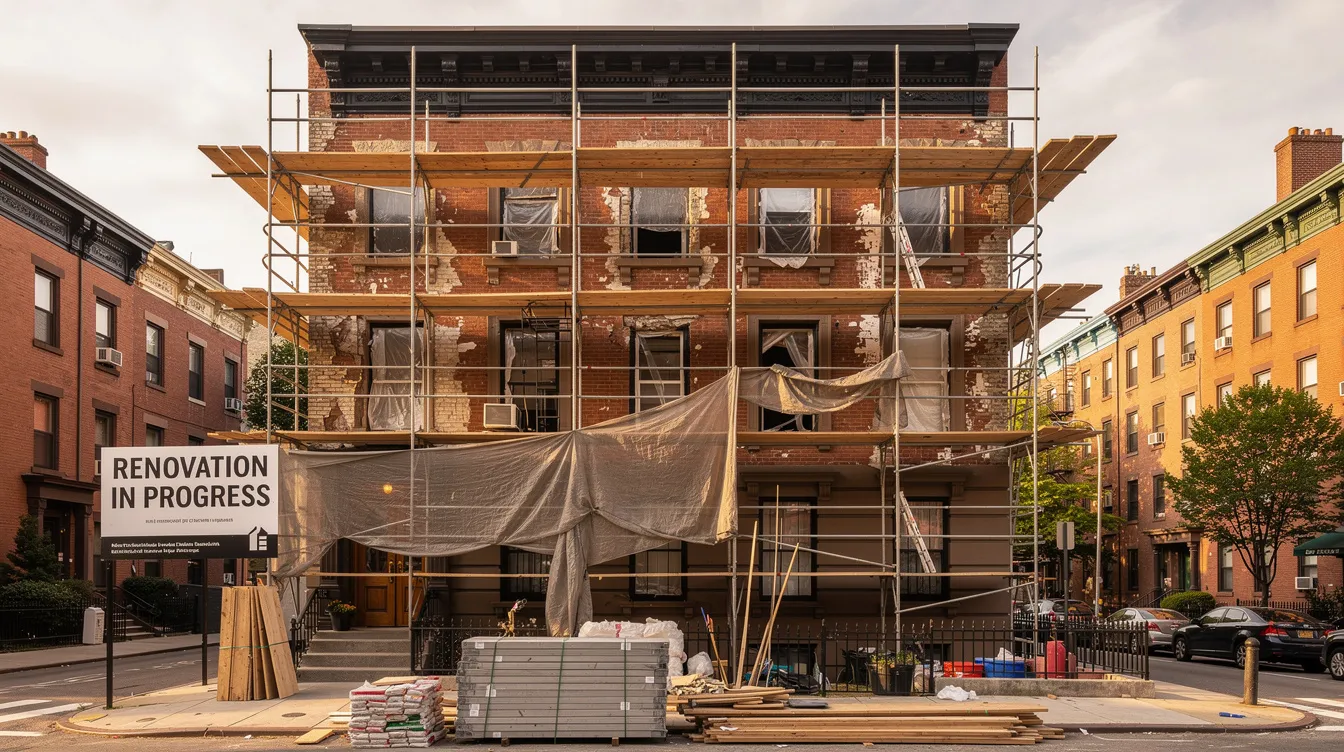
Renovation costs can range from $100K to over $1M. Here are realistic 2026 ranges:
The restoration of a brownstone facade alone can be costly, potentially exceeding $100,000. Preserving historic details-stained glass, original staircases, crown moldings-costs more than modernizing, but it protects resale value and neighborhood character. Potential brownstone buyers should account for the costs of necessary permits and regulatory compliance.
Investing in a brownstone requires planning for substantial ongoing maintenance costs. Owners must handle all property repairs themselves. Routine maintenance includes boiler, furnace, and plumbing upkeep. Flat roofs on brownstones may need replacement every 15 to 25 years, costing $15,000 to $40,000. Roof leaks and roof repairs are among the most urgent issues brownstone owners face.
Hidden Costs Checklist:
Brownstones in New York City remain a more hands on investment than condos or co ops, but scarcity and strong demand in neighborhoods like Harlem, Park Slope, and Brooklyn Heights have historically supported long-term appreciation. York city brownstones on prime blocks hold value even when the broader market softens.
Some buyers are looking for a forever home, while others want rental income. Understanding your long-term goals before making an offer helps determine which type of brownstone makes the most sense.
2026 rental income ranges for legal units:
Underwrite conservatively: assume 5–8% vacancy, 1–1.5% of property value annually for maintenance reserves, and 8–10% for a property management firm or property manager if you outsource. Being a landlord in NYC means navigating rent-stabilized vs. free-market tenant rules, lease renewal requirements, and HPD registration. Many brownstone owners hire a specialized landlord attorney to stay compliant.
One- to three-family houses are in a different tax class (Class 1) than larger rental properties (Class 2). Single-family townhouses and brownstones can be taxed at a rate around 6%, and brownstone owners benefit from lower property taxes than condos. NYC property taxes are generally lower than those in the suburbs-a rare instance where the city offers a financial edge over surrounding counties.
Tax planning opportunities: Deductibility of mortgage interest and property taxes (subject to federal limits), depreciation schedules for rental properties, and 1031 exchanges for investors trading up. Cap rates in prime Brooklyn run tight at 2.8–4.0%, while secondary markets like Bed-Stuy offer 4.0–6.0%. A brownstone is often a hands on investment that blends lifestyle value with long-term wealth building.
Expect a more complex and prolonged closing process when purchasing a brownstone compared to condos or co ops. The typical timeline runs 60–90 days: pre-approval, neighborhood scouting, property tours, offer and negotiation, inspection, contract signing, mortgage underwriting, appraisal, and closing. Properties delivered vacant tend to close faster than those with existing tenants.
Frequent buyer mistakes:
As a specialist, I add value through block-level pricing knowledge across many brownstones in every major neighborhood, experience reading old building records, and a network of trusted inspectors, architects, and contractors. I model owner-occupant scenarios versus full-investor plays so you understand the real numbers before you commit.
In a low-inventory market, competing with all-cash buyers is common. I help clients determine when non-contingent offers make strategic sense-and when they don't.
Ready to start? Schedule a consultation with me to review your budget, target neighborhood, and whether single family homes, multi family, or mixed-use is the right fit.
What is considered a brownstone in New York City? A brownstone is a 19th- to early 20th-century rowhouse faced in brown sandstone, typically 3–5 stories with a stoop and parlor floor. Not every house called a "brownstone" in a listing actually has an authentic sandstone facade.
Are NYC brownstones good investments in 2026? In core neighborhoods, yes-scarcity and landmark protections support appreciation. Cap rates are tighter in prime areas (2.8–4%) but stronger in emerging markets (4–6%). Owning a brownstone is typically a lifestyle-plus-investment play.
How much should I budget for a down payment on a brownstone? For single family or 2–3 family owner-occupied: 20–30% of purchase price. For 4+ unit or investment purchases: 30–40%+. FHA loans may allow as low as 3.5% for qualifying owner-occupants.
How much do brownstone renovations cost per square foot? Light cosmetic work runs $100–$200/sq ft. Full gut restorations in landmark properties average $500–$800/sq ft or more.
Do I need a special inspector for historic brownstone homes? Yes. Hire both a licensed inspector and a structural engineer experienced with NYC brownstone conditions. Standard home inspectors may miss party wall issues, joist deterioration, or facade problems specific to these buildings. Use a reference from a trusted agent or architect.
Can I modernize a landmark brownstone's interior? Generally yes. Interior work is usually not regulated unless the interior itself is individually landmarked. You can open up floors, add modern kitchens, and reconfigure layouts-just preserve what's visible from the street.
How do property taxes on brownstones compare to condos and co-ops? Brownstones classified as 1–3 family (Class 1) enjoy a different tax class with more favorable assessment rates. Property taxes for brownstones are generally lower than condos and co ops of similar market value.
Have a complex situation-mixed-use building, inheritance, 1031 exchange, co-ownership with family or friends? Reach out to me directly for tailored guidance on your brownstone search in New York City.
Phone: 1-646-970-1078 Email: sm@montfortre.com Address: 8 West 126th Street, New York NY 10027
Loading live Google reviews…
Stay in the loop on the latest events, news, & happenings in and around our community!
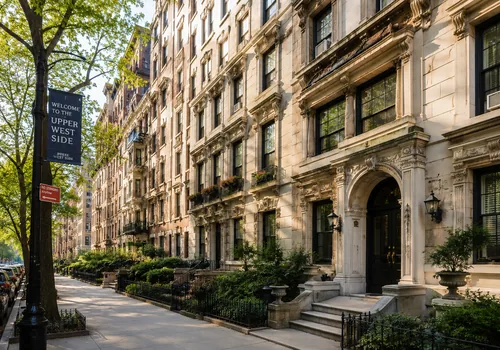
On the Upper West Side, we observed a distinct trend that diverges from the citywide patterns. Speci…
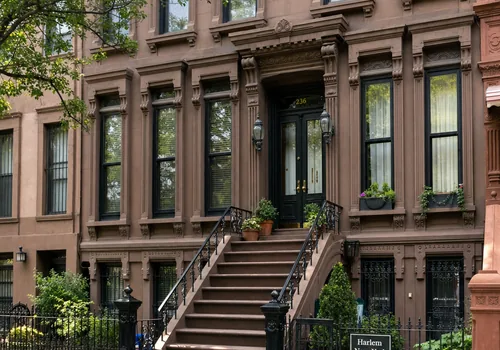
The Harlem brownstone market has seen an increase in sales activity since this time last year. In Q2…
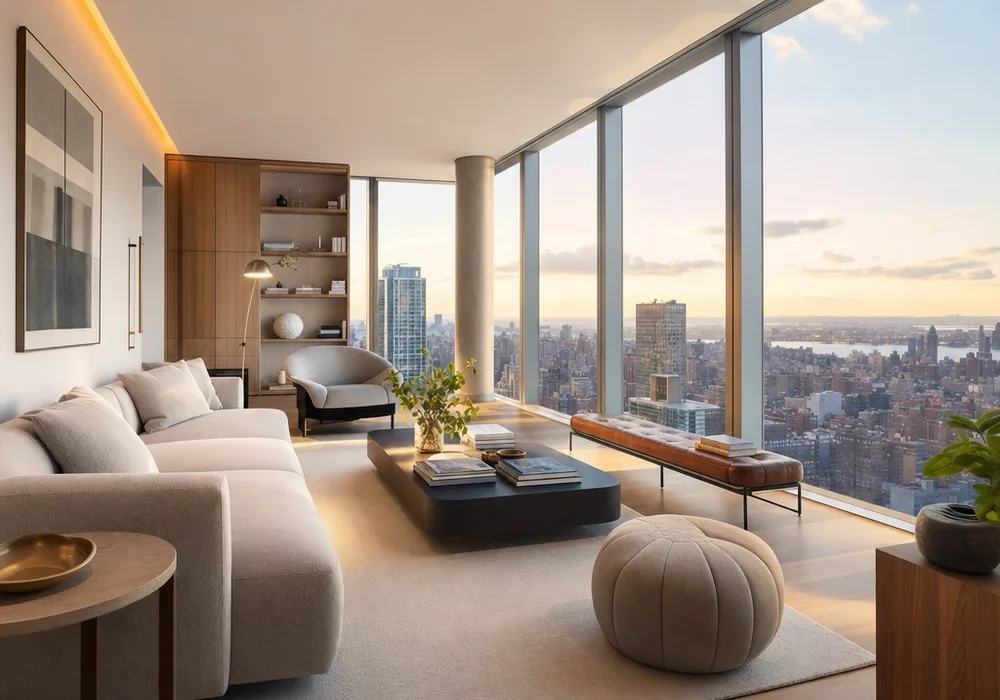
Are you searching for your dream home in one of New York City’s most sought-after neighborhoods? Loo…
Reach out for buyer representation, listing strategy, or a confidential valuation with Stanley Montfort.
