
We’ll help you purchase the right Manhattan brownstone while avoiding costly renovation surprises, structural issues, and unnecessary risks
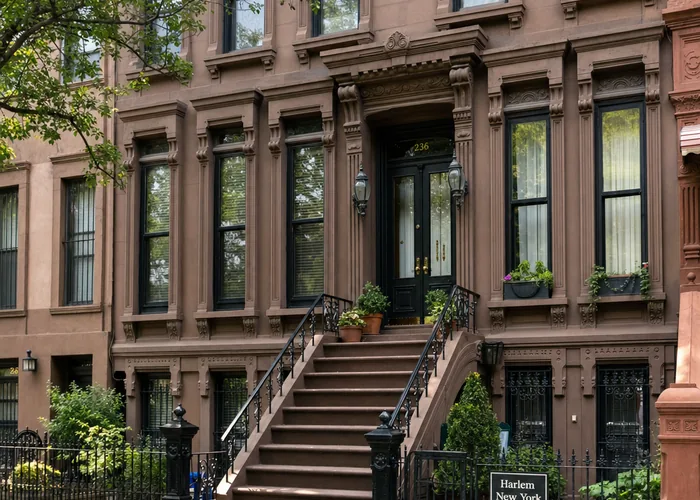
Smooth transaction with limited risk
No pressure to over pay and buy within a certain time period
A team of people that will be with you even after the transaction is complete
Live listing data provided by OLR IDX. Need help? Contact us or log in to your customer account.
Manhattan brownstones and townhouses are among the most competitive residential assets in New York City. Single-family homes in Manhattan typically trade above $2 million, and every block from Harlem to Chelsea prices differently based on width, legal configuration, historic district rules, and renovation depth. Stanley Montfort specializes in Manhattan brownstone and townhouse transactions — buyer representation, listing strategy, and due diligence that goes beyond listing photos — so you can evaluate inventory with clear numbers and realistic risk.
Contact Stanley Montfort today for Manhattan brownstone buyer representation, listing services, or a confidential townhouse valuation. Browse current inventory below, or call 1-646-970-1078.
Licensed NYC real estate professional representing Manhattan brownstone and townhouse buyers and sellers since 2015
JD from Fordham University, U.S. Army service, and compliance background at Citi — trained to spot legal, financial, and structural risks in a deal before you sign
Specialist in one-family through four-family configurations, Certificate of Occupancy review, and landmark district compliance
Active coverage across Harlem, the Upper West Side, the Upper East Side, and Chelsea townhouse inventory
Network of structural engineers, inspectors, attorneys, and restoration professionals for pre-war buildings
Buying a brownstone in Manhattan is not the same as buying a condo or co-op. You are evaluating an entire building: legal use, façade and roof condition, mechanical systems, party walls, outdoor space, and whether the unit count you see matches the Certificate of Occupancy. Financing, insurance, and resale all turn on those details. Sellers face the reverse problem — pricing from borough averages or simple price-per-square-foot misses the variables that actually move Manhattan townhouse buyers: width, legal configuration, renovation quality, and block-specific comps.
Stanley Montfort brings that specialized lens to every Manhattan brownstone search and sale. If you are comparing townhouse inventory across neighborhoods, start with the live listings on this page, then dig into the neighborhood guides linked below.
Before you offer on a Manhattan brownstone, Stanley reviews legal configuration, comparable sales filtered by width and condition, historic district constraints, and financing options for one- through four-family buildings. Off-market access and buyer-first advice matter when inventory is thin and asking prices are aggressive.
Certificate of Occupancy and property-record review before offer
Engineer- and inspector-coordinated due diligence for pre-war construction
Comp sets built around true peers — not aspirational listings three neighborhoods away
Guidance on SRO risk, conversion timelines, and Class A vs Class B designations when relevant
Access to off-market Manhattan townhouse opportunities
Pricing a Manhattan townhouse requires property-specific analysis: width, lot depth, legal unit count, renovation depth, and the competitive set on that block. Marketing then targets the right buyer pool — end-users versus investors — instead of a generic “Manhattan luxury” blast.
Strategic pricing against current Manhattan brownstone and townhouse comps
Seller prep covering façade, stoop, violations, and staging that reflects real strengths
Timing advice based on competing inventory and the financing environment
Manhattan brownstone values vary sharply by neighborhood. Harlem inventories often span roughly $1.1M to multi-million listings depending on configuration; Upper West Side and Upper East Side townhouses commonly sit at higher price points; Chelsea landmarked rows trade as a distinct micro-market. Stanley’s valuations account for those differences rather than a single borough median.
One of Manhattan’s deepest brownstone markets — Central Harlem, Mount Morris Park, Strivers Row, Hamilton Heights, and Sugar Hill. Historic district rules, width premiums, and one- through four-family configurations define value here. Stanley’s core practice is rooted in Harlem townhouses.
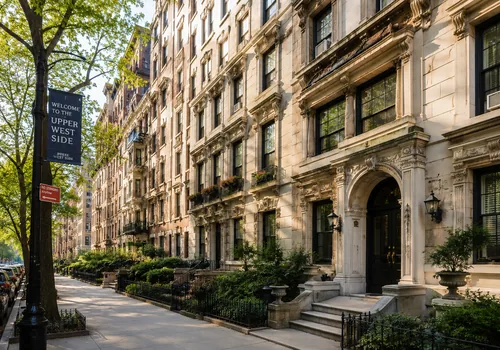
Pre-war townhouses between Central Park and Riverside Park. Buyers weigh privacy, outdoor space, and renovation quality against condo alternatives on the same avenues. Comp analysis must stay UWS-specific.
Museum Mile, Carnegie Hill, and Lenox Hill townhouse inventory. Prestigious addresses, landmark constraints, and buyer pools that rarely overlap with Harlem multifamily investors.
Landmarked rows near the High Line and gallery district. Scarcer inventory, strong end-user demand, and renovation rules that reward agents who know LPC process.
Owning a brownstone means autonomy — and full responsibility. There is no building super for a roof leak, façade repair, or HVAC failure. Historic façades and windows often require contractors familiar with Landmarks Preservation Commission rules. Stairs, outdoor space, and systems (or the lack of central air) all affect daily living and long-term cost. Stanley walks buyers through those ownership realities before they commit, including whether a condo or co-op might fit better for a shorter hold period.
For deeper buyer education, see Buying a Brownstone in NYC and advice for brownstone buyers. Sellers can start with Selling Brownstones in NYC.
Confirm legal use, open violations, and physical condition early. Buildings altered without an updated CO can stall financing. Stanley reviews records before emotion takes over on a parlor floor.
Comps must match configuration and micro-market. A 20-foot renovated single-family on a landmark block is not comparable to a 16-foot investment property three avenues away.
Inspections, lender underwriting for multi-unit buildings, and attorney coordination all differ from apartment deals. Stanley manages those moving parts with professionals who know townhouse closings.
Current Manhattan brownstone and townhouse inventory is listed on this page. You can also open the full MLS search or browse neighborhood-specific pages for Harlem, the Upper West Side, the Upper East Side, and Chelsea.
Most single-family brownstones in Manhattan typically trade over $2 million, with wide variation by neighborhood, width, legal configuration, and condition. Multi-family buildings price differently because of rental income and financing terms. Ask Stanley for a property-specific read rather than relying on a citywide average.
Brownstones offer privacy, outdoor space, and full building control, with full maintenance and tax responsibility. Condos share costs and typically involve common charges. If you may not hold for a decade or more, a condo or co-op can be the better financial fit unless you are buying a three- or four-family that offsets carrying costs with rent.
Whether you are searching Manhattan townhouse inventory, selling a multi-family brownstone, or evaluating an SRO conversion, Stanley Montfort provides the property-specific analysis these deals require. Contact him for a confidential consultation about your Manhattan brownstone search or sale.
Loading live Google reviews…
Stay in the loop on the latest events, news, & happenings in and around our community!
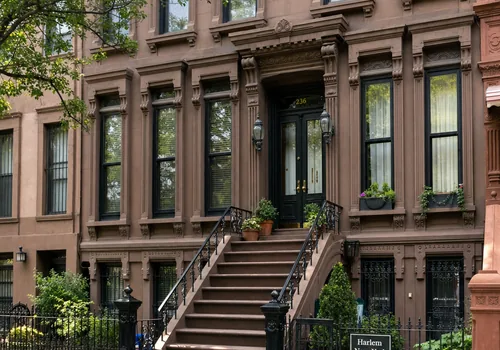
Manhattan brownstone market report Q1 2024 with insights on pricing, inventory and trends shaping the NYC real estate market.
On the Upper West Side, we observed a distinct trend that diverges from the citywide patterns. Speci…
The Harlem brownstone market has seen an increase in sales activity since this time last year. In Q2…
Estimate closing costs, compare rent vs buy, and weigh condo vs brownstone ownership.
Educate yourself on these 15 costly mistakes — the difference between a successful purchase and a disastrous one.
Looking at a brownstone in Manhattan? Taking the time to educate yourself on these 15 costly mistakes can make all the difference between a successful purchase and a disastrous one.
