
Brownstones, townhouses, condos and co-ops across Harlem, with block-by-block guidance from first showing to closing day.
Smooth transaction with limited risk
No pressure to over pay and buy within a certain time period
A team of people that will be with you even after the transaction is complete
Live listing data provided by OLR IDX. Need help? Contact us or log in to your customer account.
Whether you're buying your first co-op near Marcus Garvey Park, selling a brownstone in Hamilton Heights, or evaluating amultifamily investment in Manhattanville, finding the right Harlem realtor determines how much you pay, how much you keep, and how smoothly the transaction unfolds.
Harlem's median listing price is $777,000, but that number tells only part of the story - prices vary dramatically by property type, neighborhood, and building configuration. Navigating the real estate market in Harlem requires specialized hyper-local knowledge that general Manhattan agents simply don't carry.
Stanley Montfort is a licensed NYC real estate broker who has spent over 15 years working exclusively with Harlem properties. If you're ready to make a move in upper Manhattan's most dynamic market, call for a free consultation and market evaluation today.
An agent's track record in Harlem is important for understanding market trends, but what truly separates a capable Harlem realtor from a generalist is block-by-block expertise. Local agents should be knowledgeable about block-by-block dynamics in Harlem - and that's exactly where Stanley's approach begins.
One of the first things I review with buyers is how their financial profile matches up against Harlem's different property types. Harlem real estate involves navigating strict financial requirements for co-ops, different closing cost structures for condos, and renovation complexities for brownstones. Agents provide buyer representation and negotiation support through every stage:
Selling in Harlem demands precision. There are currently 710 homes for sale in Harlem, and yours needs to stand out. Marketing strategies should include professional photography and virtual tours in Harlem - these aren't optional, they're expected by today's buyers.
Harlem's rental market continues to strengthen. The median rental price in Harlem is $3,801, and Harlem's rental prices increased by 8.63% year-over-year - creating genuine opportunities for investors who understand the numbers.
Client communication is essential for real estate agents in Harlem. Here's what the process looks like from first contact through closing:
Every engagement starts with an in-depth conversation about your real estate goals, timeline, and financial picture. I prepare a comprehensive market report showing recent sales, active inventory, and pricing trends specific to the Harlem neighborhoods you're considering. Whether you're buying or selling, we build a customized strategy based on current conditions - not last quarter's data.
For buyers, I provide curated property recommendations matched to your criteria and budget. When evaluating property in Harlem, I assess condition, renovation needs, building financials, landmark restrictions, and neighborhood trajectory. For sellers, this phase involves pre-listing preparation: identifying repairs that add value, staging recommendations, and establishing your pricing position relative to comparable recent sales.
One question I always discuss with clients is transit access. Properties near the A/B/C/D/2/3/4/5/6 lines consistently command higher prices and sell faster. Home buyers in Harlem benefit from local expertise regarding transportation access and community landmarks - these factors directly influence resale value.
I coordinate every detail from accepted offer through closing day - working alongside your attorney, inspector, mortgage professional, and building management. For co-op transactions, this includes preparing and submitting board applications, scheduling interviews, and managing building-specific documentation requirements. For condos and townhouses, I track inspection timelines, title searches, and municipal compliance. Nothing falls through the cracks.
Harlem's median listing price is $777,000, but the headline number obscures critical differences by property type and neighborhood. Here's what the data actually shows in 2026:
| Metric | Current Value | Year-Over-Year Change |
|---|---|---|
| Median Listing Price | $777,000 | -7.18% |
| Median Sold Price | $679,000 | +22.6% |
| Median Days on Market | 58 days | Faster than the prior year |
| Sale-to-List Ratio | 98% | Stable |
| Price Per Square Foot | $832/sq ft | -6.55% |
| Active Listings | 710 | -8.5% |
| Median Rent | $3,801/mo | +8.6% |
Homes in Harlem sell in a median of 58 days. Homes in Harlem sold for 98% of the asking price in June 2026. That 98% sale-to-list ratio tells me the market rewards accurate pricing - sellers who list at fair market value are closing near their asking price, while overpriced listings sit and eventually require cuts.
One mistake I frequently see is buyers comparing across property types without adjusting for structural differences:
Engaging with local real estate agents familiar with Harlem can impact pricing and overall experience - these aren't numbers you can evaluate from a listing portal alone.
Harlem features a unique mix of historic townhouses, co-ops, and condos across several distinct sub-neighborhoods. Each carries different pricing, housing stock, regulations, and buyer demand patterns. Here's what those differences mean from a real estate perspective:
The core of Harlem's residential market, including the Mount Morris Park Historic District and blocks surrounding Marcus Garvey Park. Higher price per square foot, extensive brownstone inventory, and strict landmark regulation. Buyers expect higher maintenance costs but benefit from strong architectural character and reliable resale demand. Historic properties in Harlem require specialized renovation and zoning insights - before making an offer, I always verify what LPC approvals will be needed for any planned exterior work.
Also designated as historic districts with distinctive architecture - larger townhouses, wider lots, and proximity to parks. Often more expensive per square foot due to prestige and the quality of housing stock. Harlem's inventory includes historic 19th-century brownstones and modern condos, but Sugar Hill and Hamilton Heights skew heavily toward the former. Renovation timelines here can be extended due to Certificate of Appropriateness (COA) requirements.
Proximity to Columbia University drives new construction activity and mixed-use development. More modern condos, dynamic investment opportunities, and higher rental demand from the academic community. Cap rates and rental yields tend to be more predictable here due to consistent institutional demand.
Lower median prices overall - rentals and co-ops dominate this sub-market. More deferred maintenance in the existing housing stock, but that creates entry points for buyers willing to renovate. Investment potential is significant for those who understand renovation costs and rent stabilization rules. Transit access varies more block by block, which directly affects property values and resale timeline.
Harlem includes a variety of property types with different rules and dynamics. Here's a practical comparison:
| Property Type | Typical Price Range | Advantages | Watch For |
|---|---|---|---|
| Co-op | $300K–$700K | Lower purchase price, strong communities, affordable entry options including HDFC and ANCP properties | Strict board approval, income caps, limited renovation and subletting flexibility, and potential flip taxes |
| Condo | $500K–$1.2M+ | More ownership autonomy, easier rentals, modern amenities, and fewer board restrictions | Higher purchase prices and common charges, potential assessments, and 421-a tax abatement expirations |
| Brownstone / Townhouse | $1.2M–$4.5M+ | Architectural character, prestige, larger lots, and strong resale potential | High renovation costs, landmark restrictions, complex permitting, and potential structural issues |
| Multifamily | Varies widely | Strong rental income potential, multiple units, and long-term investment opportunities | Rent stabilization compliance, Local Law requirements, operating expenses, and property management responsibilities |
One question I always discuss with clients is whether they prioritize purchase price, monthly carrying costs, renovation freedom, or long-term resale. The right property type follows from that answer.
Pricing in Harlem varies significantly by sub-neighborhood:
Beyond the purchase price, factor in renovation costs (especially in historic districts), co-op maintenance fees, condo common charges, property taxes, and potential assessments. Many buyers are surprised to learn that a seemingly affordable co-op can carry monthly maintenance that rivals a condo's combined costs when you include assessments and flip taxes.
The median days on market for homes in Harlem is 58 days. Properties priced accurately from day one sell faster and closer to asking. One mistake I frequently see is sellers pricing above what comparable recent sales support - this leads to staleness on market and eventual price cuts that erode buyer confidence.
For properties in historic districts, plan renovation timelines carefully. Even straightforward exterior work (window replacement, stoop repair, facade restoration) may require LPC review and a Certificate of Appropriateness, adding weeks or months before you can list. I work with sellers to identify which improvements genuinely add value versus those that simply add cost and delay.
Co-op boards in Harlem review financial statements, credit history, income documentation, tax returns, reference letters, and employment verification. Many boards require liquid reserves equal to one or two years of maintenance payments after closing. Debt-to-income ratios around 43% are common for mortgage approvals, but co-op boards often apply stricter financial thresholds.
The interview process varies building by building. Some are brief and procedural; others are rigorous. I prepare every buyer for their specific building's board culture, including documentation strategy and interview coaching. Subletting restrictions, renovation approval processes, and flip tax schedules are all subject to board policy - I review these with buyers before they ever make an offer.
Whether you're searching for featured properties in Central Harlem, preparing to list a brownstone in Hamilton Heights, or evaluating investment opportunities across upper Manhattan, the right real estate agent makes a measurable difference in your outcome.
Stanley Montfort brings 15+ years of Harlem-specific expertise, over 200 closed transactions, and a commitment to transparency that clients trust. Contact Stanley today for a free market consultation and property evaluation - no obligation, just straight answers about your Harlem real estate goals.
Harlem is one of New York City’s most vibrant and historically rich neighborhoods, located in Upper Manhattan. Known for its deep cultural roots and iconic role in the Harlem Renaissance, the area blends historic charm with modern energy. Tree-lined streets are filled with classic brownstones, pre-war buildings, and a growing number of new developments, offering a variety of housing options for residents.
Harlem is home to world-renowned landmarks such as the Apollo Theater and Studio Museum, as well as a thriving arts and music scene that continues to shape its identity. The neighborhood also features an excellent selection of restaurants, cafes, and local shops, reflecting a diverse and dynamic community.
Residents enjoy convenient access to Central Park, Marcus Garvey Park, and multiple subway lines, making it easy to commute throughout Manhattan and beyond. With its strong sense of community, rich history, and ongoing growth, Harlem offers a unique blend of tradition and opportunity for those looking to call it home.
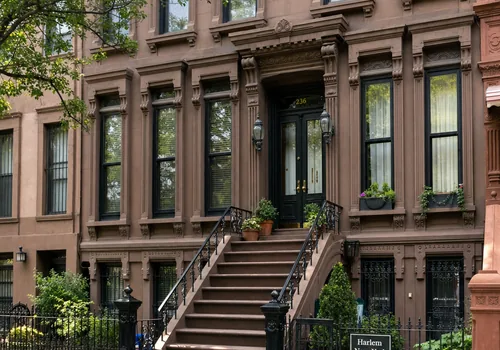
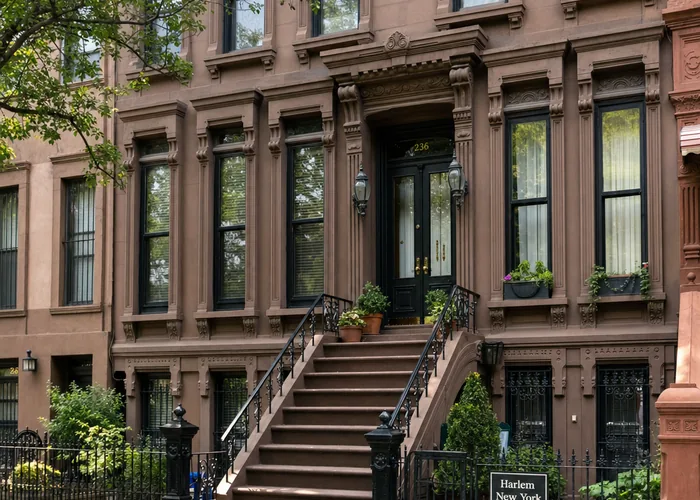
Historic architecture, timeless charm, and classic Harlem living
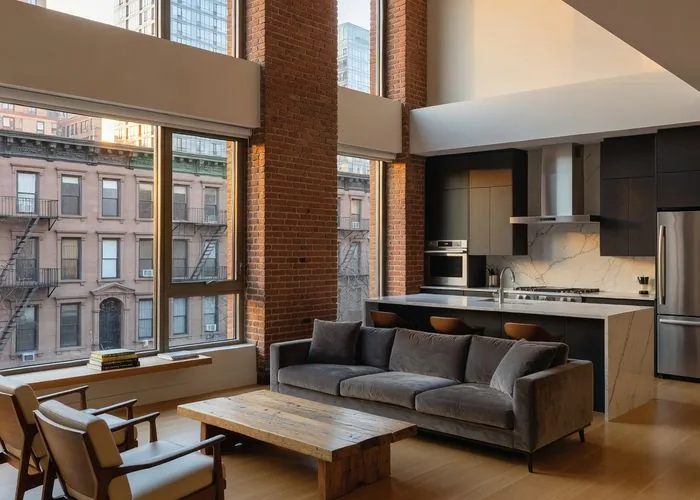
Modern amenities, urban convenience, and vibrant Harlem living
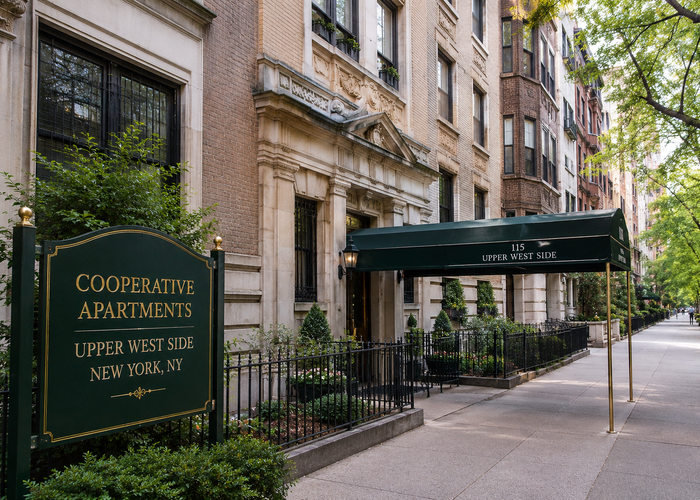
Investment opportunity, urban convenience, and vibrant Harlem living
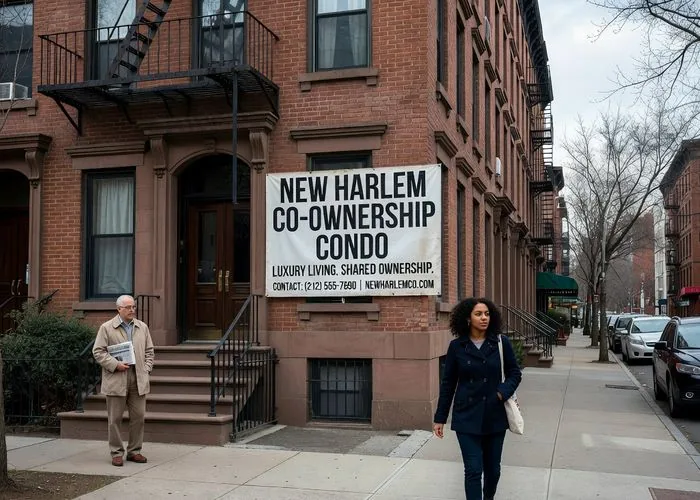
Shared ownership, lower costs, and greater buying power
Educate yourself on these 15 costly mistakes — the difference between a successful purchase and a disastrous one.
Looking at a brownstone in Harlem? Taking the time to educate yourself on these 15 costly mistakes can make all the difference between a successful purchase and a disastrous one.
Loading live Google reviews…
Read helpful resources and articles related to the area.
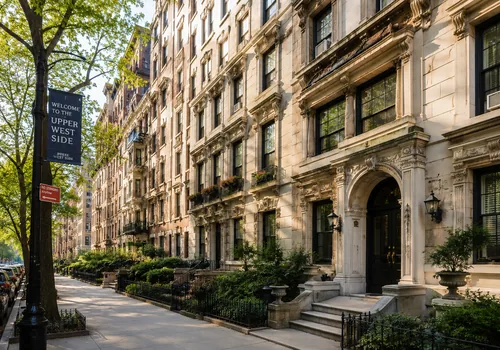
On the Upper West Side, we observed a distinct trend that diverges from the citywide patterns. Specifically, the…
The Harlem brownstone market has seen an increase in sales activity since this time last year. In Q2…
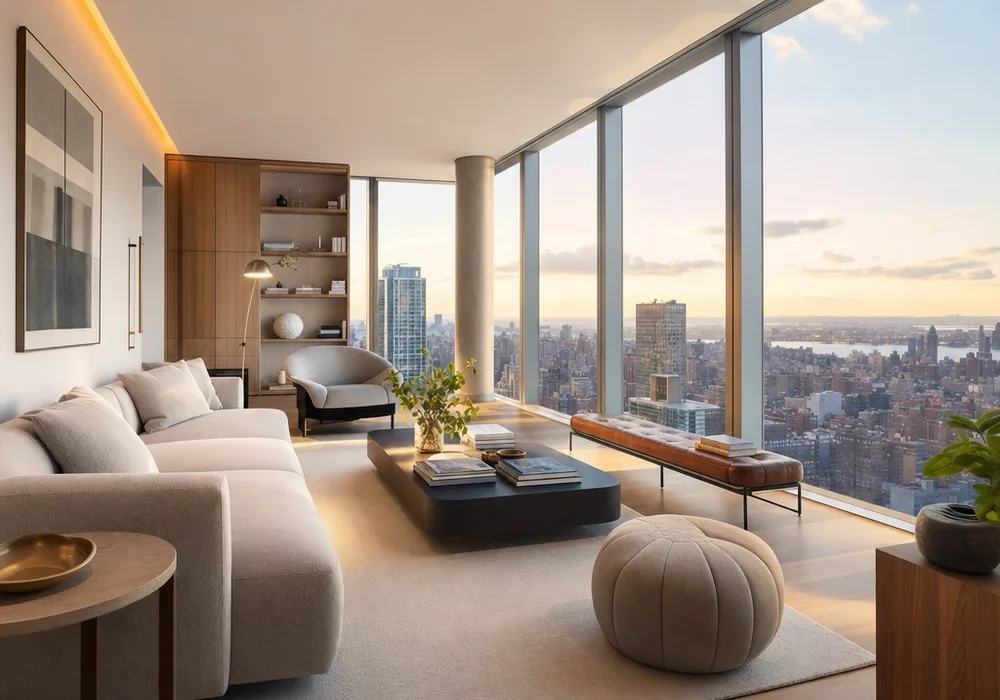
Are you searching for your dream home in one of New York City’s most sought-after neighborhoods? Look no…
