
Receive a professional co-op valuation that takes board requirements, building trends, and market conditions into account, helping you make informed selling decisions

Smooth transaction with limited risk
No pressure to over pay and buy within a certain time period
A team of people that will be with you even after the transaction is complete
If you own a co op apartment in New York City and you're wondering what your property is actually worth, the answer is more complex than any online tool can provide. Automated valuation tools often miss crucial co-op factors-building financials, board policies, flip taxes, maintenance fees, and the cooperative corporation's overall health-that experienced buyers evaluate before making an offer. I'm Stanley Montfort, and I provide free, no-obligation co-op valuations across Manhattan, Brooklyn, Queens, and the Bronx that account for every building-specific factor driving your home's true market value.

Most homeowners start by checking online estimates, and that's a reasonable first step. But home value estimates can differ significantly across websites, and none of them can see what's happening inside your building's balance sheet or boardroom. As a top local agent focused on co-op sales, I go far beyond square footage and bedroom count to deliver an accurate estimate grounded in the factors that actually move buyers.
A comprehensive co-op valuation goes well beyond what any online tool can offer. Here's what my free consultation covers-and why each component matters to your bottom line.
One of the first things I review is the apartment itself. During a walkthrough (or detailed photos and video when an in-person visit isn't feasible), I assess:
The result: a clear, honest assessment of your apartment's strengths and any areas where targeted improvements could increase value before listing.
Many co-op owners are surprised to learn that buyers look beyond the apartment and consider building finances as closely as the apartment itself. Here's what I review:
Pricing a co-op correctly requires understanding both what comparable sales tell us and what current buyer demand looks like. My market positioning analysis includes:
| Analysis | What It Covers |
|---|---|
| Comparable sales research | I pull recent sales within your building and in comparable co op buildings in the neighborhood-adjusting for condition, floor, exposure, renovations, and amenities. Researching recent sales helps determine the market value of a co-op far more reliably than automated estimates. |
| Current NYC co-op market conditions | In Manhattan during Q2 2026, the median co-op sale price hit $895,000, up 8.5% year over year, outperforming condos in price growth. Demand has strengthened as condo inventory dropped, pushing up co-op median prices. I track these trends at the borough and neighborhood level to provide context for your valuation. |
| Recommended asking price range | Based on building policies, flip tax structure, financing requirements, and current market timing, I provide a realistic low-to-high value range-not a single number that might leave money on the table or cause your listing to sit. |
From first contact to completed analysis, the entire process is designed to be straightforward and educational-with no pressure to list or sell.
You reach out by phone, email, or through the contact form below. We schedule a walkthrough of your apartment where I assess condition, layout, renovations, exposure, views, and any unique features. I also gather information about your building's board policies, financing requirements, subletting rules, and flip tax structure. If you have your building's most recent financial statements or annual report, that accelerates the process.
This is where the real work happens. I review your building's financial health-reserve funds, underlying mortgage, assessment history, operating expenses-and compare maintenance fees against similar buildings. Simultaneously, I research comparable sales in your building and neighborhood, adjusting for differences in condition, floor, exposure, and renovations. I also factor in current market conditions: inventory levels, buyer demand, interest rate environment, and pricing momentum in your area.
You receive a detailed valuation covering your estimated market value range and every factor supporting that range. We discuss timing-whether current conditions favor listing now or waiting-and I provide recommendations on any improvements or staging that could meaningfully increase your sale price. The entire process typically takes one to two weeks from initial contact, depending on how quickly building documents are available.
This consultation is completely free, with no obligation to list or sell.
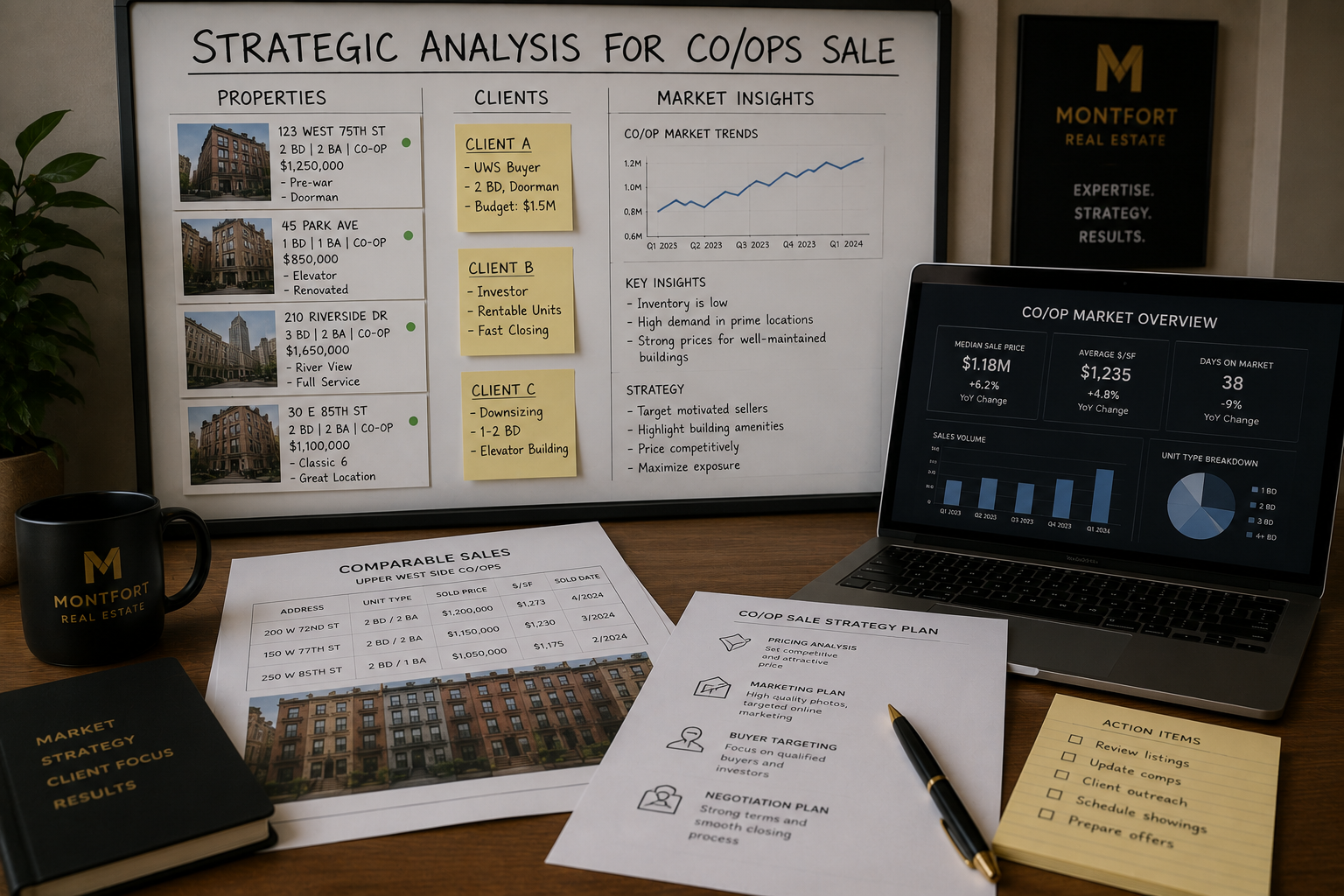
One mistake I frequently see is homeowners treating a co-op valuation like a condo or single family homes appraisal. The differences are fundamental, and understanding them protects you from costly pricing errors.
NYC property values can vary widely by neighborhood and building type. 85% of Manhattan's housing stock consists of co-ops, which means co-op-specific valuation expertise isn't optional-it's essential.
When evaluating a co-op, I'm looking at the same factors that experienced buyers and their agents will scrutinize:
Relying on automated online estimates: Automated tools provide a quick baseline for home valuation, but they cannot account for board restrictions, building financials, or cooperative corporation dynamics. City assessments do not reflect actual market value for co-ops-the NYC Department of Finance treats co-ops like rental apartment buildings for tax purposes, using income data from comparable rental buildings and capitalization rates that often severely understate market value.
The NYC Department of Finance provides tax assessment data for properties, but these assessments systematically undervalue co-ops. For co-ops sold in 2025, the median difference between the DOF's estimate and the actual sale price was approximately $849,667. The disparity is even more extreme for luxury units: for co-ops priced above $10 million, the DOF market value captures only about 10% of the sales-based market value. Your tax assessment is not your market value-not even close.
Testimonials from co-op owners who have received valuations will appear here. Each testimonial will include the owner's name, neighborhood, and building type to provide specific, local context.
If you've worked with Stanley and would like to share your experience, your feedback is welcome.
I provide co-op valuations across New York City's major co-op markets, with building-specific knowledge in each borough:
Whether your co-op is in a pre-war elevator building on the Upper West Side or a post-war complex in Queens, I understand the building-level nuances that determine accurate pricing in each location. Home values fluctuate based on local supply and demand, and I track these shifts at the neighborhood level.
Note: While I focus primarily on Manhattan, Brooklyn, Queens, and the Bronx, I'm happy to discuss property types in Staten Island or connect you with a trusted colleague if your building falls outside my core service area.

Home value estimates can differ significantly across websites. Tools like Zillow, Redfin, and others use algorithms based on square footage, property address, neighborhood averages, and public data from recent sales. HomeLight's estimator provides results in under 2 minutes, which gives you a sense of how quickly these tools operate-and how little building-specific analysis they perform.
The problem is that these tools cannot evaluate the factors that matter most in a co-op valuation: building financial health, maintenance fees, board policies, flip taxes, financing restrictions, or reserve fund adequacy. Requesting a Comparative Market Analysis (CMA) from a licensed agent who understands co-op buildings is a far more reliable approach. The most accurate free valuations come from licensed real estate agents who can evaluate both the apartment and the cooperative corporation.
Appraisals typically use the comparable sales approach for valuation-and appraisers use comparable sales to determine property value-but even a professional appraisal can fall short if the appraiser lacks experience with co-op-specific factors in your market.
The cooperative corporation's financial health is one of the most significant factors. Specifically:
The valuation process includes building-specific financial health considerations that go well beyond what any automated tool can capture.
From initial contact to completed analysis, expect approximately one to two weeks. The timeline depends primarily on how quickly building financial documents-annual reports, audited financials, board minutes regarding upcoming capital projects-are available. The apartment walkthrough itself typically takes 30–60 minutes. I handle all the market research, comparable sales analysis, and building financial review after that initial visit.
No. My co-op valuation consultation is completely free with no obligation. You'll receive a thorough analysis of your apartment's estimated market value, the building factors influencing that value, and strategic guidance on timing and preparation-whether you decide to sell now, later, or not at all. I believe every co-op homeowner deserves to understand their equity position, and this free consultation is designed to educate, not pressure.
A condo buyer receives a deed for their specific unit and owns real property. Co-ops are structured differently-you own shares in a corporation that owns the building. This means valuation must account for the corporation's financial health, the building's debt, board governance, and restrictions that don't exist in condo sales. Co-ops typically cost 30–50% less than comparable condos in the same neighborhood, but that discount isn't uniform-it varies based on building quality, policies, and financial strength.
Kitchen and bathroom renovations consistently deliver the strongest returns in NYC co-op sales. Updated flooring, improved lighting, and layout modifications that maximize usable square footage also add measurable value. However, the return on any renovation depends on the building, the neighborhood, and the price point. One of the first things I review during a walkthrough is whether any planned or completed renovations align with what buyers in your specific neighborhood are willing to pay for.
Whether you're planning to sell this year or simply want to understand your property's worth, a professional co-op valuation gives you the clarity that online estimates cannot. Every co-op should be evaluated individually based on the apartment's condition, building financials, board policies, comparable sales, and current buyer demand-and that's exactly what my free consultation delivers.
Stanley Montfort · NYC Licensed Real Estate Agent · Specializing in Co-op Sales Across Manhattan, Brooklyn, Queens & the Bronx
Phone: 1-646-970-1078 Email: [email protected] Address: 8 West 126th Street, New York NY 10027
Loading live Google reviews…
Stay in the loop on the latest events, news, & happenings in and around our community!
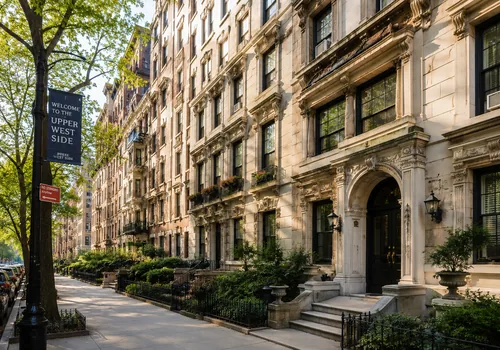
On the Upper West Side, we observed a distinct trend that diverges from the citywide patterns. Speci…
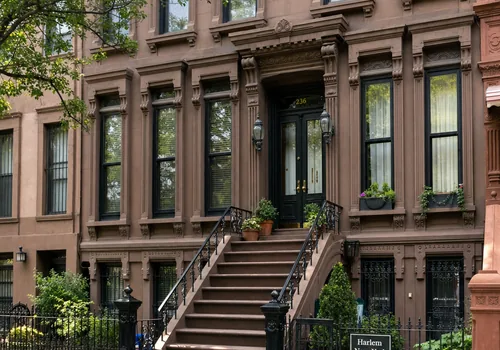
The Harlem brownstone market has seen an increase in sales activity since this time last year. In Q2…

Are you searching for your dream home in one of New York City’s most sought-after neighborhoods? Loo…
Reach out for buyer representation, listing strategy, or a confidential valuation with Stanley Montfort.
