
Selling an SRO in New York City requires specialized expertise. We’ll guide you through the process, help you secure the best possible price, and minimize legal and operational complications
Smooth transaction with limited risk
No pressure to over pay and buy within a certain time period
A team of people that will be with you even after the transaction is complete
If you own a single room occupancy building in New York City and you're considering a sale, the process ahead is fundamentally different from selling a conventional rental property or a one family townhouse. Selling Single Room Occupancy properties is complex due to strict regulations, layered tenant protections, and a buyer pool that evaluates legal compliance before they ever look at the lobby. With only about 30,000 to 40,000 SROs remaining in NYC today-down from over 100,000 at their peak-these are rare, specialized assets that demand specialized professional guidance to bring to market successfully.
I'm Stanley Montfort, and I've spent my career helping property owners navigate the most complicated transactions in New York City real estate. If you're thinking about selling your SRO property, I'd encourage you to schedule a free consultation so we can review your building's legal status, occupancy, and market position before you make any decisions.
A professional NYC SRO Free Home Valuation provides the information needed to establish a realistic asking price before your property reaches the market.
Selling SRO buildings in New York City requires an agent who understands not just the market, but the regulatory structure that governs every aspect of these properties. SROs are classified as 'Class B' residences in NYC, and a legal SRO has a Certificate of Occupancy with a Class B designation-details that matter enormously when a buyer's attorney starts pulling records.
One of the first things I review with every SRO owner is whether their building's actual use matches what the Certificate of Occupancy says. That single question-legal use versus actual use-determines the trajectory of the entire sale.
Many property owners assume that selling an SRO is similar to selling any other rental building, just with smaller units. In reality, the due diligence is pivotal when buying or selling SRO properties in NYC, and experienced investors will investigate your building's legal history, violation record, tenant status, and alteration history long before they discuss price. What sets my approach apart is that I help you see your building through the buyer's eyes before we ever go to market.
Selling an SRO property requires coordinating legal compliance, tenant documentation, building history, market positioning, and investor outreach simultaneously. Below is an overview of the services I provide to SRO owners from pre-listing through closing.
One of the biggest mistakes I see SRO owners make is listing before they've confirmed that their building's legal status is clean. Before we begin marketing, I work with you to:
SRO buildings require frequent repairs due to shared facilities, and deferred maintenance shows up in inspection reports. I help you prioritize what to address before listing versus what to disclose and price accordingly.
Determining the market value of an SRO property is more complex than for conventional apartments. Comparative market analysis is harder because there are few recent SRO building sales, and many have non-standard conditions.
Legal compliance and tenant status are paramount for successfully closing in the SRO market. One question I always discuss with sellers early is whether they'll need a certificate of no harassment.
SRO properties require a fundamentally different marketing approach than standard residential listings. Many investors focusing on co-living spaces are prioritizing density and amenities over space, and current trends indicate a rebranding of SROs as co-living spaces to meet housing demand. I position your property to attract the right buyers.
The SRO selling process is more time consuming than a standard residential sale. Because of regulatory, occupancy, and legal complexity, total time from consultation to closing can easily be three to four months-or more. Here's what to expect at each stage.
We start with an on-site property inspection where I review the physical condition of the building, tenant occupancy, shared bathrooms and kitchens, fire safety equipment, and egress paths. I also pull your Certificate of Occupancy and cross-reference it with DOB records to confirm legal classification.
During this initial assessment, I'll discuss your goals, timeline, and any concerns about the sale. Many property owners come to this conversation unsure whether their building qualifies as an SRO under the NYC Administrative Code definitions-we clarify that immediately.
This is the stage that separates a smooth transaction from one that falls apart. I gather and review:
SRO conversions require compliance with New York City Administrative Code, and converting SRO units without necessary approvals is illegal and can incur fines. If past alterations were done without permits, we need to understand the implications before a buyer discovers them.
I also develop the market pricing strategy during this phase, based on the property's actual condition, compliance status, and income profile.
Once documentation is assembled and the property is properly prepared, I launch a targeted marketing campaign aimed at qualified SRO investors. Throughout this phase, I:
The sale of SRO properties does not terminate tenant leases or occupancy rights-a point I make clear to both buyers and sellers from the outset. Transparency about tenant status protects everyone involved.
Every SRO sale presents unique challenges. Here are examples of the types of situations I help owners navigate:
Note: Every SRO property should be evaluated individually based on its legal status, condition, location, occupancy, regulatory history, and current market demand.
I work with SRO property owners who appreciate straightforward advice about what their building is actually worth, what issues need to be addressed, and how to present the property to sophisticated buyers. Client feedback consistently highlights:
Contact me to request references from previous SRO clients.
SRO properties are concentrated in specific neighborhoods across New York City. I work with building owners throughout:
SROs were originally designed for low-income individuals, and they've played a critical role in New York City's housing landscape for over a century. SROs peaked in the late 1800s during industrialization, and their numbers began declining in the 1950s due to new laws that effectively banned construction of new SRO units in many areas. New York City once had over 100,000 SROs-today, only about 30,000 to 40,000 remain, making them increasingly rare assets. Understanding the history and housing plan context of SRO housing in each neighborhood helps me position your property effectively for the right buyers.
SROs are classified as Class B multiple dwellings, subject to different regulations than standard Class A apartments. SROs typically feature shared kitchens and bathrooms, and SRO properties face strict regulations from HPD and DOB that don't apply to conventional rental buildings. Buyers evaluate legal occupancy classification, violation history, tenant protections, and compliance with multiple dwelling law before they evaluate the physical condition. Rent regulation compliance is critical in selling SRO properties-a subject that requires careful documentation and often legal counsel.
College dormitories, luxury hotels, and certain institutional housing are specifically excluded from SRO definitions, even though they may share some physical characteristics with SRO units.
A Certificate of No Harassment is required for SRO conversion and certain alterations-not for the sale itself. However, if a buyer plans to convert the building to Class A apartments, add or remove kitchens or bathrooms, or demolish the structure, they will need a CONH before DOB will approve construction documents. Many SRO owners seek to convert to Class A apartments, but this requires obtaining a CONH first. Because obtaining a Certificate of No Harassment can take years, understanding whether this requirement applies significantly affects buyer interest, offer terms, and your sale timeline.
Yes-and in most SRO sales, you will. The sale of SRO properties does not terminate tenant leases or occupancy rights. Transparency is key: provide complete lease documentation, occupancy history, and clarify each tenant's regulatory protection status. SRO tenants may be protected under rent stabilization laws if the building was built before 1969. Buyers will heavily discount uncertain or problematic tenant situations, so clean documentation typically produces better offers. Tenant turnover in SRO properties can be high, ranging from 40% to 60%, which is a factor buyers consider when projecting future rental income.
Open HPD and DOB violations reduce buyer confidence, may block financing, and can delay or prevent closing. I've seen sellers lose hundreds of thousands of dollars in negotiated value because open violations gave buyers leverage to demand price reductions. Resolving violations before listing often yields better net proceeds than pricing the property expecting the buyer to assume risk. SRO buildings require frequent repairs due to shared facilities, so staying ahead of maintenance issues is both an operational and a transactional priority.
Experienced SRO investors expect a comprehensive package that includes:
Assembling this documentation before going to market signals to buyers that you're a serious, organized seller-and it accelerates the transaction. Days on market for standard residential properties in Manhattan recently averaged approximately 80–90 days; SROs tend to take longer, especially when legal or occupancy issues are unresolved.
The Shared Housing Law (Int. 66 of 2026) takes effect January 1, 2027, allowing new shared housing rooming units within Class A multiple dwellings under certain rules. This may shift investor expectations for SRO conversions and create new development interest. Additionally, the OSE's Class B Multiple Dwellings List, updated June 4, 2026, identifies buildings legally recognized as Class B-sellers should verify whether their building is included, as this can affect certain exemptions and buyer perceptions.
If you're considering selling your SRO property in New York City, the most valuable step you can take right now is understanding exactly where your building stands-legally, operationally, and in the current market. I help owners navigate every stage of the process, from initial compliance review through closing, so you can make informed decisions and maximize the value of your property.
Phone: 1-646-970-1078 Email: sm@montfortre.com Address: 8 West 126th Street, New York NY 10027
Loading live Google reviews…
Stay in the loop on the latest events, news, & happenings in and around our community!
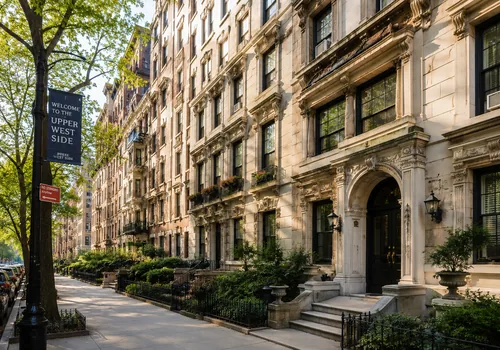
On the Upper West Side, we observed a distinct trend that diverges from the citywide patterns. Speci…
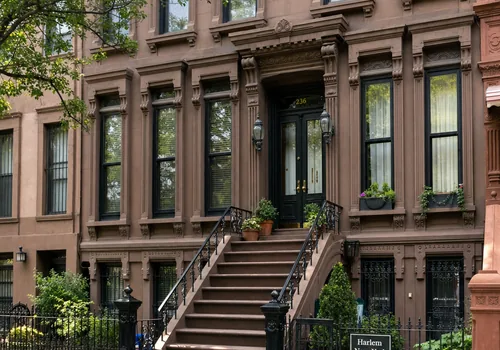
The Harlem brownstone market has seen an increase in sales activity since this time last year. In Q2…
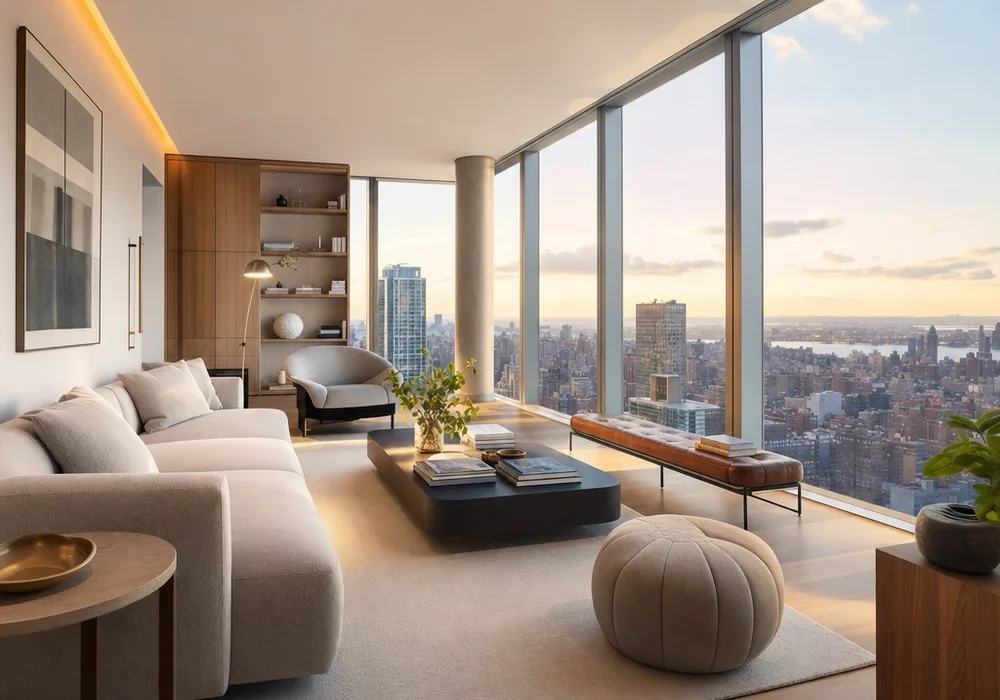
Are you searching for your dream home in one of New York City’s most sought-after neighborhoods? Loo…
Reach out for buyer representation, listing strategy, or a confidential valuation with Stanley Montfort.
